
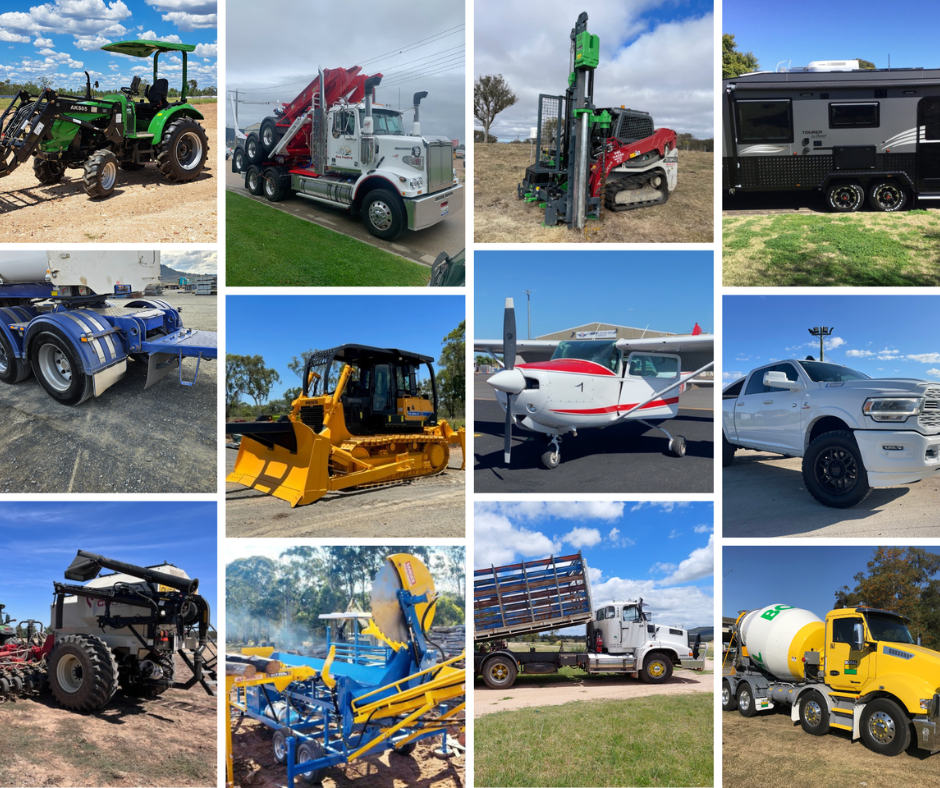
Running a business in 2026 means managing more than growth.
Australian businesses are also dealing with rising operating costs, expensive equipment, changing demand and tighter cash flow.
In this environment, commercial finance can play an important role in helping a business stay flexible to maintain essential operations and plan ahead with greater confidence.
Finance can help preserve working capital
Using cash to purchase equipment outright may reduce debt, but it also leaves less money available for day-to-day business needs.
Working capital may still be required for:
- Wages and subcontractors
- Fuel and operating expenses
- Stock and materials
- Insurance and registrations
- Repairs and maintenance
- Other unexpected business costs
A suitable finance structure may allow a business to access the equipment or vehicle it needs while keeping more cash available for ongoing operations.
Different businesses need different structures
A transport operator, farming business and construction company may all require equipment finance, but their income patterns can be very different.
Some businesses receive regular monthly income, while others rely on seasonal activity, project milestones or large contract payments.
Depending on lender requirements and eligibility, finance may be structured around factors such as:
- The value and type of asset
- Expected business cash flow
- The preferred finance term
- Deposit or trade-in contributions
- Balloon payment options
The most suitable structure should reflect how the business operates rather than relying only on the lowest advertised repayment.
Finance is not only for rapid growth
Commercial finance is often associated with business expansion, but growth is only one reason a business may seek funding.
Finance may also be used to:
- Replace unreliable equipment
- Upgrade an ageing commercial vehicle
- Maintain productivity during busy periods
- Reduce the impact of a large upfront purchase
- Refinance an existing asset
- Improve operational reliability
In some cases, the goal is not to expand quickly. It is simply to keep the business running efficiently and avoid disruption.
Consider the full cost of the decision
Before financing an asset, it is important to consider more than the purchase price.
The overall decision may also involve:
- Finance repayments
- Fuel or energy use
- Maintenance expenses
- Insurance
- Registration
- Downtime
- Resale value
- Expected working life
A cheaper asset may not always provide the best long-term value if it requires frequent repairs or cannot meet the business’s operational needs.
Understanding the available options
Depending on the business and transaction, commercial finance options may include:
- Equipment finance
- Commercial vehicle finance
- Business loans
- Asset refinancing
- Low-Doc options
Each option may have different requirements, costs and repayment structures.
How PMG Finance can help
PMG Finance works with Australian businesses across transport, agriculture, construction, earthmoving, mining and other commercial industries.
Our team can help you:
- Understand suitable commercial finance options
- Compare lenders from our panel
- Review repayment structures
- Consider finance terms and balloon payments
- Explore options for new or used equipment
- Assist with applications, documentation and settlement
The right finance solution should support the way your business operates and help you maintain financial flexibility.
Planning an equipment, vehicle or commercial asset purchase?
 Contact PMG Finance on 07 4639 1011 to discuss your options .


DISCLAIMER: The above content is to provide general information and does not constitute financial, legal or other advice. This means that duties and requirements imposed on people who give financial advice do not apply to this content. For advice contact your accountant or legal advisor.